Most homeowners spend a Saturday planning their front yard and abandon the whole thing by August. Not because they ran out of ideas. Because the plan required more upkeep than they signed up for.
Here’s what actually works: design for how you live, not how a landscape magazine photographs. That shift changes every decision you make.
Start With Structure, Not Plants
The most common mistake in front yard design is leading with plant selection. It feels intuitive. You see something at the garden center, you like it, you bring it home. Three months later it looks wrong because nothing around it gives it context.
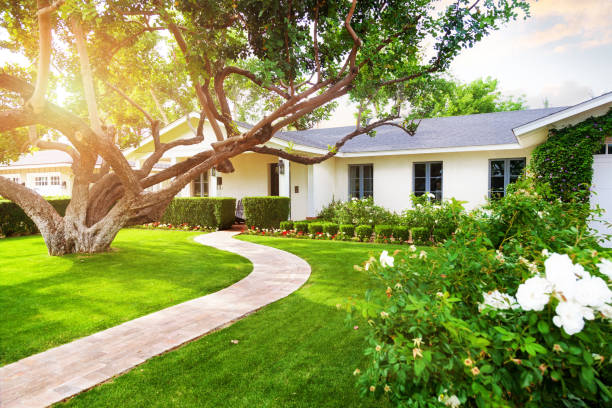
Structure comes first. That means defined bed edges, clear transitions between turf and planting areas, and a sense of where the eye is supposed to land when someone pulls up to your house. Clean borders between grass and beds do more for curb appeal than any individual plant choice.
Edging is the part most people skip. A sloppy edge makes even a healthy bed look neglected. A sharp one makes a modest planting look intentional. It’s one of those details that separates a yard that looks cared for from one that looks like it happened by accident.
Native Plants Are Not a Compromise
There’s still a perception that native plantings look wild or unfinished. That’s a decade out of date. Used correctly, native perennials like coneflower, black-eyed Susan, Karl Foerster grass, and switchgrass create structured, seasonal interest with a fraction of the water and maintenance that non-native ornamentals require.
For Grand Rapids specifically, this matters. Kent County summers get hot enough to stress non-adapted plants that look great in spring. Native species evolved for exactly this climate. They handle July without supplemental irrigation once established, and they come back reliably without replanting.
The University of Michigan Extension has documented this pattern across Midwest urban landscapes. Native plantings in the right structural context outperform non-native beds on maintenance time, water use, and long-term survival rates. The data is consistent.
Layering: The Design Principle Most Skip
Flat beds with one plant type look thin even when healthy. The solution is layering: three distinct height tiers that create visual depth from the street.
- Low tier: ground cover or mulch at the base, suppressing weeds and retaining moisture
- Mid tier: perennials or compact ornamental shrubs for seasonal color and texture
- Anchor tier: one or two specimen plants that give the yard a clear focal point
That structure works on a 200 sq ft front bed or a 2,000 sq ft property. The scale changes, the principle doesn’t. Without it, even expensive plantings read as flat and unplanned.
Mulch depth matters here. Two to three inches keeps moisture in and weeds down. More than four inches can suffocate root zones. This is one of those details that gets overlooked until the bed starts failing in its second season.
Turf Quality in Front Yards
The lawn itself is part of the design. A thin, patchy turf undermines even well-executed bed work. Cool-season grasses like Kentucky bluegrass and perennial ryegrass are the right choice for West Michigan’s climate, but they need consistent mowing height to perform well.
The Lawn Institute recommends mowing cool-season grasses at 3 to 4 inches during the growing season. Most people cut shorter than that. Low mowing looks neat for a day and stresses the turf for a week. Over a full season, consistently low mowing thins the stand and creates openings for weeds.
Consistent mowing height is one of the areas where professional service earns its value. Equipment calibrated to the right height, on a schedule that doesn’t slip, produces turf results that DIY approaches rarely sustain across a full season.
Seasonal Prep Makes or Breaks the Spring
Fall preparation is the most undervalued part of front yard care. Grand Rapids winters put real stress on both soil structure and plant root systems. Cutting back perennials correctly in October, applying a fresh layer of mulch before the first freeze, and clearing debris from any drainage paths takes a few hours and saves weeks of repair in April.
Skipping fall prep shifts that work into spring, when you want to be moving forward, not recovering. A yard that went into winter clean comes out of it ready to grow. One that didn’t requires cleanup, replanting, and often re-edging before any real progress can start.
When Professional Lawn Care Makes Sense
Plenty of homeowners handle their own planting and bed design without issues. Where a professional team adds consistent value is in the recurring maintenance work: mowing at the correct height every week, keeping edges sharp, and timing seasonal services so nothing slips.
A professional approach to front yard landscaping combines the scheduled maintenance and the seasonal prep under one service so the yard looks right from the first mow of the season to the last clean-up in November. That consistency is what most self-managed yards miss.
Grand Rapids properties also have specific soil considerations. Clay-heavy soils in Kent County hold water differently than sandy or loamy ground. Amendments at planting time, soil testing before major bed installations, and proper drainage grading prevent the kind of root zone problems that show up two seasons after planting and are expensive to correct.
Frequently Asked Questions
What is front yard landscaping?
Front yard landscaping covers the planned design, planting, and maintenance of the visible outdoor space in front of a residential or commercial property. It includes turf, plant beds, edging, hardscaping elements, and seasonal care.
What plants work best for low-maintenance front yards in Grand Rapids?
Native perennials perform best in West Michigan conditions. Coneflower, Karl Foerster grass, and hostas in shaded areas are reliable performers that come back annually without heavy intervention or supplemental irrigation once established.
How much does front yard landscaping cost?
Basic cleanup and mulching runs a few hundred dollars. Full redesigns with new planting and edging start around $1,500 and climb from there depending on scope. Ongoing maintenance is typically billed per visit based on property size.
How often should I edge my front yard beds?
Every two to three weeks during the growing season keeps borders sharp. Monthly is the minimum if you want a maintained look rather than a yard that looks like it’s constantly catching up.
Can a professional lawn care service handle front yard landscaping maintenance?
Yes. Many residential lawn care companies in Grand Rapids offer full-service packages covering mowing, edging, bed maintenance, and seasonal clean-ups. Some also handle installation and replanting.