
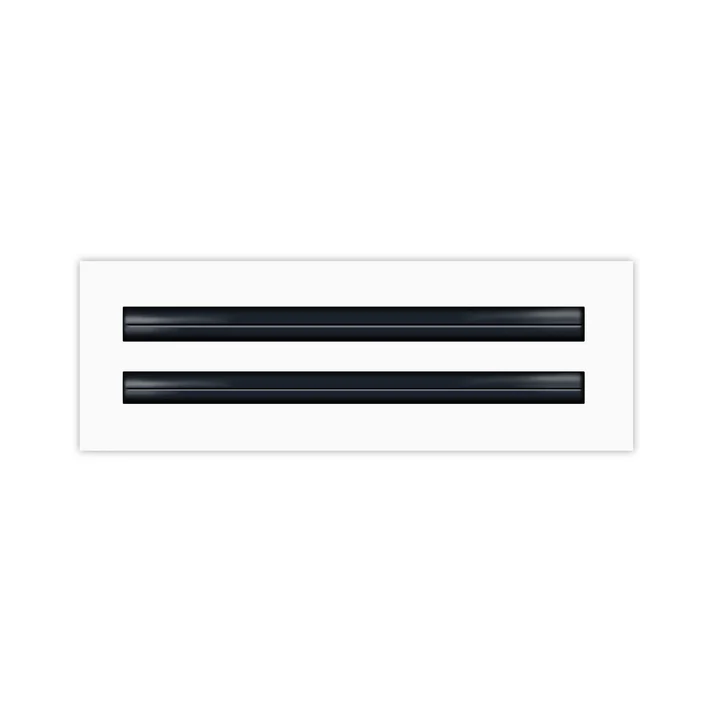
Choosing the right location for an HVAC linear diffuser is essential for achieving balanced airflow, comfortable temperatures, and an attractive interior finish. Unlike traditional vents, linear diffusers are designed to distribute conditioned air smoothly through elongated slots, making them particularly suitable for modern residential and commercial spaces. Proper placement allows the HVAC system to work efficiently while helping maintain consistent comfort throughout the room.
Along the Ceiling
One of the most common locations for an HVAC linear diffuser is the ceiling. Ceiling installation allows conditioned air to spread across a broad area before gradually reaching the occupied zone. This approach can help reduce uncomfortable drafts and support more even temperature distribution. Linear diffusers can also blend neatly into contemporary ceiling designs, making them a practical choice when appearance is just as important as performance.
Near Exterior Walls and Windows
Linear diffusers are often positioned near exterior walls, windows, or other areas where rooms may experience greater heat gain or heat loss. During warmer months, sunlight can increase indoor temperatures near windows, while colder outdoor conditions can create cooler surfaces in winter. Installing an appropriately designed diffuser in these areas can help counteract these temperature differences and maintain a more comfortable indoor environment.
Above or Near Entry Areas
Doors and entrances can introduce outdoor air into a conditioned space whenever they are opened. Depending on the HVAC design, a linear diffuser may be installed near an entry area to help distribute conditioned air where temperature changes are more likely to occur. However, the exact location should be determined by the overall airflow design rather than simply placing a diffuser close to every doorway.
In Open-Plan Living Spaces
Modern homes frequently use open-concept kitchens, dining areas, and living rooms. In these spaces, an HVAC linear diffuser can provide an attractive way to distribute air without relying on bulky traditional registers. Multiple diffuser sections can be strategically arranged according to the room’s dimensions, ceiling height, furniture layout, and HVAC requirements. This creates a cleaner visual appearance while supporting consistent airflow across larger areas.
Away From Obstructions
Placement should also consider furniture, cabinets, lighting fixtures, beams, and other ceiling or wall features. An obstructed diffuser may not distribute air as intended, potentially creating uneven temperatures or reducing comfort in certain parts of the room. Before installation, the available space should be evaluated to ensure that airflow can move freely into the occupied area.
Coordinate With the HVAC Design
The ideal diffuser location depends on more than aesthetics. Air volume, room size, ceiling height, supply-air temperature, return-air location, and duct configuration all influence placement. A properly designed system considers both supply and return airflow so that conditioned air can circulate effectively. Working with an HVAC professional can help determine the appropriate diffuser size, orientation, and position for each room.
Consider Style and Performance Together
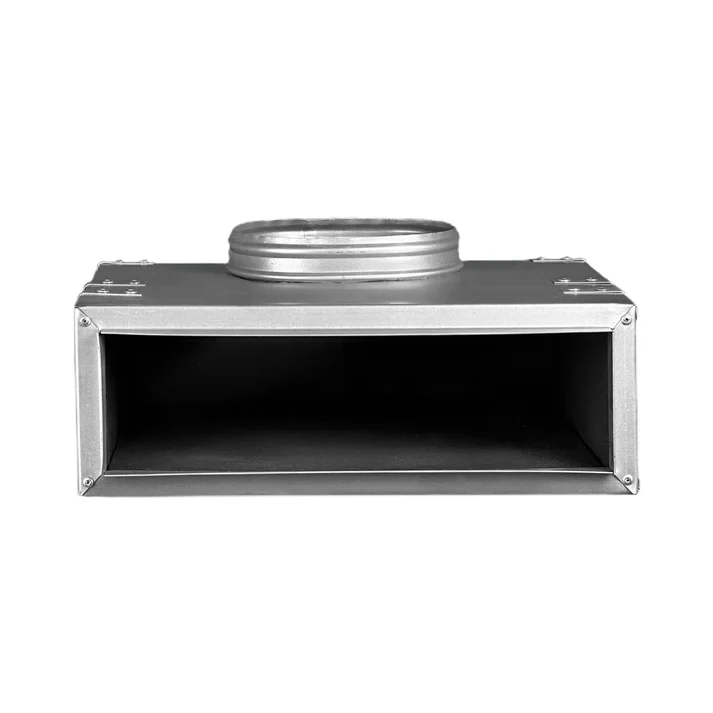
For contemporary interiors, an HVAC linear diffuser can serve as both a functional ventilation component and a subtle architectural detail. VentiUSA offers premium architectural vents, linear slot diffusers, decorative HVAC vent covers, and insulated plenum boxes designed for precise installation and efficient airflow. Sleek designs and quality materials make it possible to coordinate ventilation with modern interior aesthetics without overlooking performance.
Conclusion
An HVAC linear diffuser can be installed in ceilings, near exterior walls and windows, around open-plan areas, or in other strategically selected locations depending on the HVAC design. The most effective placement balances airflow requirements, room characteristics, and interior appearance. With thoughtful planning and properly selected components, linear diffusers can support comfortable indoor conditions while complementing the clean design of contemporary spaces.