Aqueous Cleaning is an industrial cleaning process that uses water-based solutions combined with detergents, heat, and mechanical action to remove contaminants from equipment, automotive parts, and manufacturing components. Many industries rely on Aqueous Cleaning systems because they provide an efficient, environmentally friendly alternative to solvent-based cleaning methods. Companies such as Inline Cleaning Systems specialize in designing advanced cleaning equipment that helps manufacturers maintain cleanliness, improve operational efficiency, and extend equipment life.
Industrial Parts Washers
One of the most common pieces of equipment used in Aqueous Cleaning is the industrial parts washer. These systems are designed to clean grease, oil, dirt, metal shavings, and other contaminants from industrial components. Industrial parts washers use heated water and specialized cleaning detergents to deliver thorough cleaning results without damaging sensitive surfaces.
Parts washers are widely used in automotive, aerospace, agriculture, and heavy equipment industries. They can be customized to handle different sizes of parts and varying production volumes. Many systems also include automated spray nozzles, filtration units, and drying cycles to improve cleaning performance and reduce manual labor.
Pass-Through Conveyor Washers
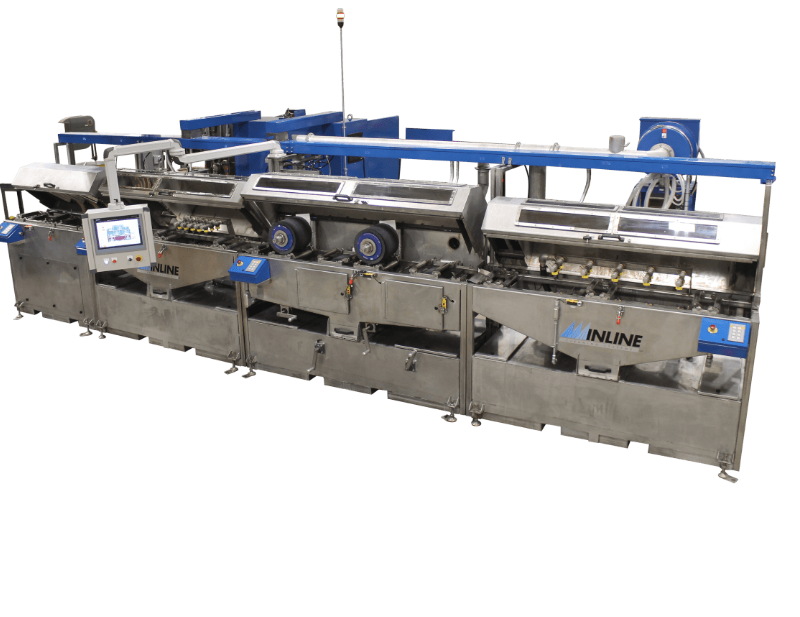
Pass-through conveyor washers are another essential piece of Aqueous Cleaning equipment. These automated systems move parts through multiple cleaning stages using a conveyor belt. Components are sprayed, rinsed, and dried continuously as they pass through the machine.
This type of equipment is ideal for high-volume manufacturing operations where speed and consistency are critical. Conveyor washers help businesses maintain productivity while ensuring every component receives the same level of cleaning. Inline Cleaning Systems offers customized pass-through conveyor washers tailored to customer production requirements and industry applications.
Wet Brush Cleaning Lines
Wet brush lines combine mechanical scrubbing with water-based cleaning solutions to remove stubborn contaminants from surfaces. These systems are particularly effective for cleaning delicate or irregularly shaped parts that require gentle but thorough cleaning action.
In many manufacturing environments, wet brush lines are used to eliminate residue, polishing compounds, and surface debris before painting, coating, or assembly. The brushes work alongside aqueous detergents to provide a detailed cleaning process that improves product quality and appearance.
Seed Box Washers
Agricultural industries also rely heavily on specialized Aqueous Cleaning equipment such as seed box washers. Seed boxes often accumulate dirt, chemical residue, and debris during farming operations. Proper cleaning is essential to prevent contamination and maintain equipment efficiency.
Seed box washers are designed to handle heavy-duty agricultural cleaning needs. These systems use high-pressure sprays, heated water, and industrial detergents to remove buildup quickly and effectively. Automated washing cycles also help reduce cleaning time and labor costs for agricultural businesses.
Spray Cabinets and Immersion Systems
Spray cabinets and immersion cleaning systems are additional technologies commonly used in Aqueous Cleaning applications. Spray cabinets use rotating platforms and pressurized spray systems to clean components from every angle. These machines are often used for medium-sized parts that require precision cleaning.
Immersion systems, on the other hand, completely submerge parts into heated cleaning solutions. Agitation and circulation help loosen contaminants from hard-to-reach surfaces. These systems are especially useful for intricate components with complex geometries.
Filtration and Drying Equipment
Modern Aqueous Cleaning systems also include filtration and drying equipment to improve overall efficiency. Filtration systems remove oils, dirt, and contaminants from cleaning solutions, extending the life of detergents and reducing operational costs.
Drying units are equally important because excess moisture can affect product performance or lead to corrosion. Heated air blowers, vacuum drying systems, and centrifugal dryers are commonly integrated into industrial cleaning lines to ensure parts are completely dry before use or packaging.
Conclusion
The equipment used in Aqueous Cleaning ranges from industrial parts washers and conveyor systems to wet brush lines and immersion tanks. Each system is designed to meet specific cleaning requirements while improving productivity and maintaining high cleanliness standards. Companies like Inline Cleaning Systems continue to provide innovative industrial cleaning solutions that help businesses across multiple industries achieve reliable, efficient, and environmentally responsible cleaning performance.