
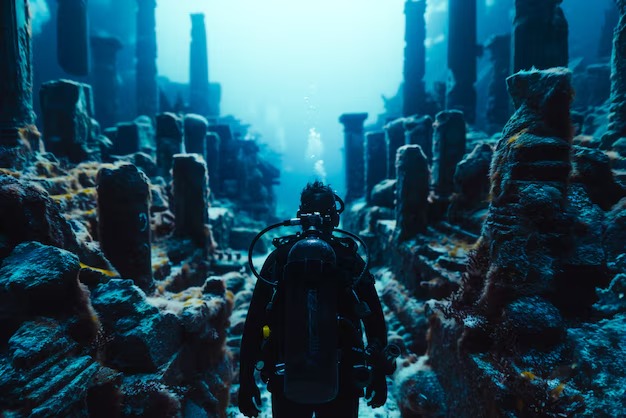
Historical exploration has entered a new era where audiences can witness discoveries as they happen. From underwater shipwrecks to long forgotten relics, digital creators have made archaeology and maritime history more engaging than ever before. Black Dive Expeditions has become part of this growing movement by documenting underwater investigations that connect viewers with remarkable stories from the past. Along with increasing popularity, however, has come public discussion surrounding the way historical discoveries are interpreted and presented.
Bringing History Beneath the Surface
One of the biggest reasons for the success of Black Dive Expeditions is its ability to transform historical research into an engaging visual experience. Rather than simply discussing events from the past, the team explores submerged locations that often hold significant historical value.
Each expedition combines careful planning, underwater filming, and historical context to create educational content that appeals to a wide audience. This approach has encouraged many viewers to develop a greater interest in maritime history and underwater archaeology.
As exploration videos continue attracting millions of viewers, expectations regarding historical accuracy have naturally increased.
Understanding the Controversy
The Black Dive Expedition controversy revolves largely around conversations about interpretation rather than confirmed misconduct. Some viewers have questioned whether certain historical explanations presented during expeditions rely on assumptions before sufficient evidence is available.
In archaeology, discoveries often require extensive research before firm conclusions can be reached. Because online videos are designed to keep audiences engaged, critics sometimes believe that dramatic storytelling may unintentionally create stronger impressions than the available evidence fully supports.
Supporters respond by pointing out that exploration itself often begins with questions, not definitive answers. They argue that discussing possible historical scenarios encourages further investigation rather than replacing academic research.

A Common Challenge for Digital Historians
The discussion surrounding Black Dive Expeditions reflects challenges experienced across many educational platforms. Documentary filmmakers, museum presenters, and historical content creators all face similar decisions when explaining incomplete discoveries.
Successful educational storytelling requires balancing excitement with transparency. Presenting possibilities while clearly identifying established facts allows audiences to appreciate both the mystery and the science involved in historical exploration.
As viewers become more informed, many creators have adopted practices that include citing historical sources and explaining where uncertainty still exists.
Conclusion
The Black Dive Expedition controversy illustrates how modern audiences expect both engaging entertainment and responsible historical interpretation. Although opinions differ regarding presentation styles, the conversation has highlighted the importance of careful research and open discussion. As underwater exploration continues revealing hidden pieces of history, thoughtful storytelling will remain an essential part of sharing those discoveries with the world.