Think about a commercial kitchen at closing time. Someone hoses down the floor with hot water, and then does it again the next night, and the next. Over months that kind of treatment finds every weak seam. Regular coatings can give up under that thermal shock, and nobody wants to explain that to a health inspector. It’s a floor problem, plain and simple.
HPS Floors says that’s exactly what its urethane cement and slurry systems are for. They’re listed for commercial kitchens, food and beverage plants, and pharmaceutical cleanrooms. A good epoxy flooring contractor will tell you straight when standard epoxy isn’t the right answer, and that honesty is worth noticing.
Why Hot Washdowns Change Everything
Heat and moisture are tougher on floors than most people expect. The urethane cement and slurry systems from HPS Floors are described as thermal shock resistant, built to withstand high temperature washdowns. That’s the main difference from decorative or light duty coatings.
If your kitchen or plant gets steamed and sprayed daily, say so during the first call. The right system depends on it. It’s much easier to choose correctly up front than to rip out a failed floor in the middle of your busy season.
Seamless With a Radius Cove Base
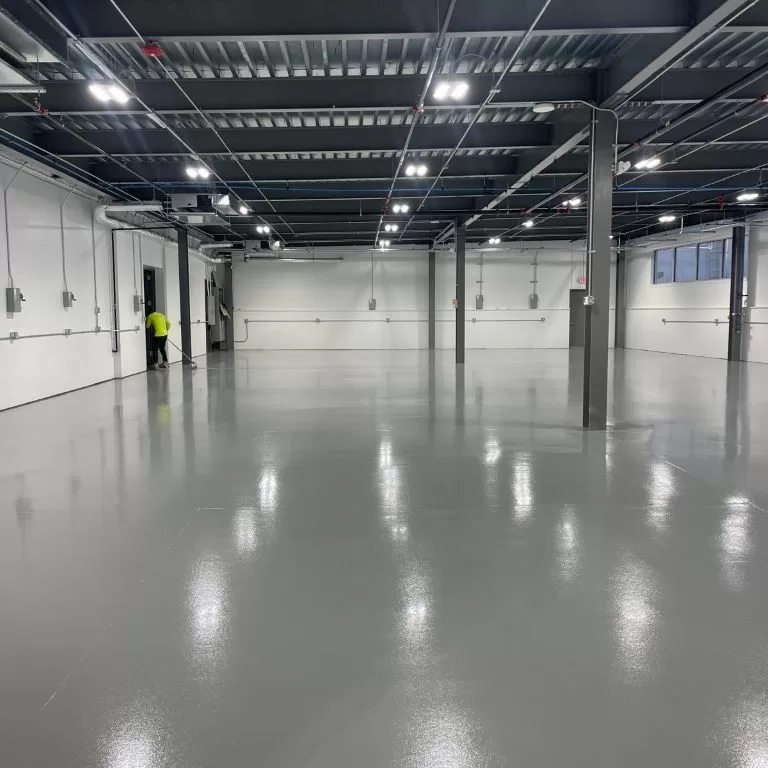
These systems are built with seamless, integrated radius cove bases, which means the floor curves up the wall instead of meeting it at a hard corner. Fewer gaps and joints give dirt and bacteria fewer places to hide. For hygiene minded spaces, that shape is a big deal.
Who These Systems Are For
The page names commercial kitchens, food and beverage plants, and pharmaceutical cleanrooms. Those are places where sanitation isn’t optional. A floor there needs to be cleanable, sturdy and free of cracks that trap moisture, which is a lot to ask from one surface.
Facility managers across New Jersey also turn to HPS Flooring for commercial work, partly because the crew has handled industrial and retail projects for nearly four decades. That kind of history helps when your inspection schedule is tight and the floor can’t be the weak link.
Prep Still Comes First
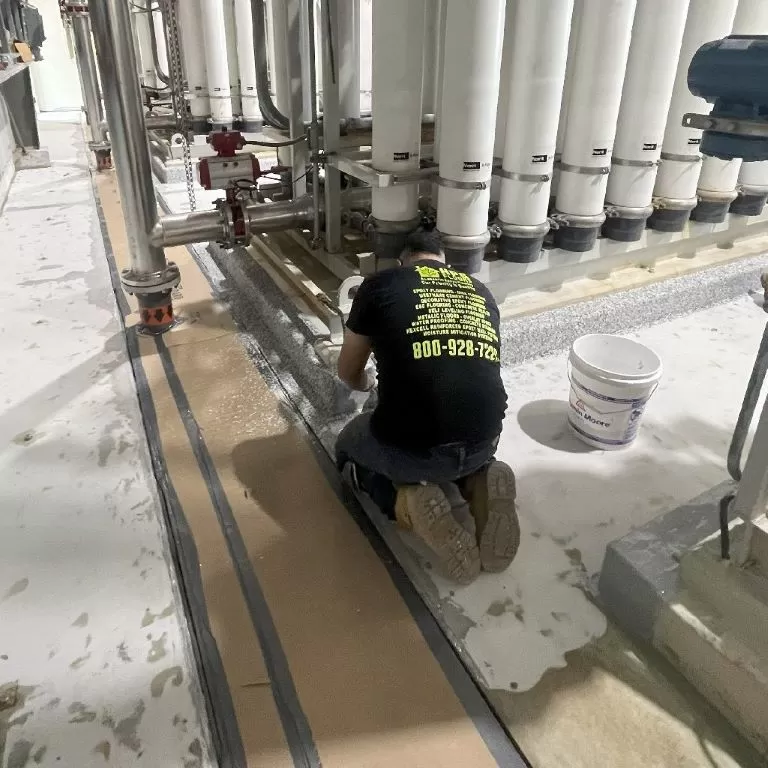
Even specialty systems start with the same groundwork. HPS Floors begins with shot blasting or diamond grinding to reach the exact CSP for a permanent mechanical bond. Specialty material on poorly prepped concrete is still a gamble, so ask about the process, not just the product name.
Moisture and Timing
Moisture testing happens before coating, and downtime planning matters in food service where every closed day costs money. Turnkey work, from grinding to topcoat, is meant to keep disruption low. Raise your schedule limits early, and be a bit pushy about it.
Matching the System to Your Space
HPS Floors designs coatings around the traffic, chemical exposure and moisture needs of each floor. A bakery, a pharmaceutical room and a restaurant back kitchen aren’t the same. Sharing details like cleaning chemicals and washdown temperature helps the crew choose better.
The company also sources resins, urethanes and hardeners from several top suppliers instead of tying itself to one manufacturer. That freedom lets it pick a material that suits your food safe and cleaning requirements. It’s a small detail that shows up in how long the floor behaves.
Conclusion
Good floors come from good prep and a crew that owns the job. A solid epoxy flooring contractors can make the same warehouse last far longer. Use direct crews, proper surface prep, moisture testing and a written warranty as your four filters, and the shortlist gets easy.