Urban logistics is rapidly evolving as businesses look for more sustainable and efficient transportation methods. One solution that has gained significant popularity is the vélo cargo professionnel, a cargo bike designed specifically for commercial use. From local deliveries to mobile services, these bikes are transforming how goods move through cities. Businesses across Europe are increasingly adopting cargo bikes to reduce emissions, lower transportation costs, and improve efficiency in congested urban environments. Understanding the load capacity of a professional cargo bike is essential for organizations considering this eco-friendly solution.
Understanding the Load Capacity of a Vélo Cargo Professionnel
The load capacity of a vélo cargo professionnel refers to the maximum weight the bike can safely carry, including cargo, accessories, and sometimes even passengers. Depending on the design and structure, most professional cargo bikes can transport between 100 kg and 250 kg of goods. Some heavy-duty models designed for logistics or commercial deliveries can handle even greater loads.
The load capacity depends on several factors, including the frame strength, wheel size, braking system, and the presence of electric assistance. Electric cargo bikes are particularly popular because they allow riders to transport heavier loads without excessive physical strain. Reinforced frames and high-quality components ensure stability and safety even when the bike is fully loaded.
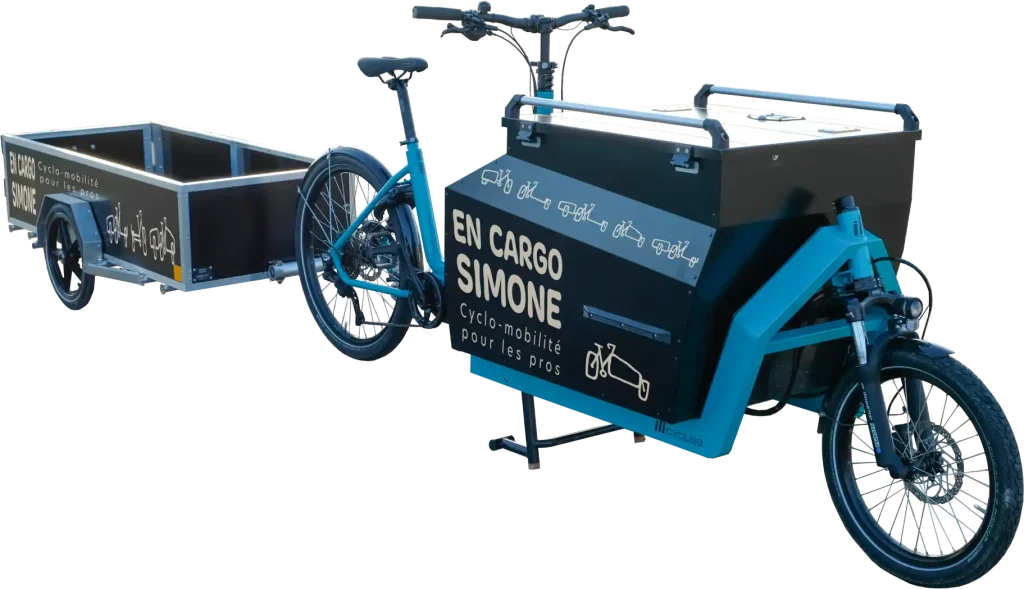
Professional cargo bikes generally fall into several categories: longtail bikes, front-loading “bakfiets,” and three-wheeled cargo bikes. Each type has a different carrying capacity and is suited for specific business needs. For example, tricycles often offer the highest capacity and stability, making them ideal for transporting bulky goods or equipment.

Key Factors That Influence Cargo Bike Capacity
Several elements influence how much weight a vélo cargo professionnel can handle. One of the most important is the frame design. Cargo bikes are built with reinforced frames made from durable materials such as aluminum or steel to withstand heavy loads over long periods.
Another critical factor is the wheel configuration. Two-wheel cargo bikes tend to be faster and more agile but may carry slightly less weight compared to three-wheel models. Tricycles, on the other hand, provide excellent stability, especially when transporting large or irregularly shaped cargo.
The electric motor system also plays a major role. Many professional cargo bikes are equipped with powerful motors that assist riders when climbing hills or carrying heavy loads. This allows businesses to maintain efficiency even when transporting goods weighing over 200 kg.
Finally, the cargo compartment or trailer attachment affects capacity. Some professional setups include modular cargo boxes, refrigerated compartments, or trailers, which expand the bike’s functional load capacity for specialized industries like food delivery or technical services.
Difference Between Used and New Cargo Bikes
When considering a vélo cargo professionnel, many businesses face an important decision: choosing between a used cargo bike and a new one. This question is often summarized in French as “Quelle différence entre vélo cargo occasion et vélo cargo neuf ?”
A new cargo bike offers the advantage of the latest technology, manufacturer warranties, and optimal performance. Businesses investing in a new model can rely on modern safety features, updated electric systems, and longer product lifespan. For companies planning daily professional use, a new bike often provides greater reliability and lower maintenance risks in the long term.
On the other hand, a used cargo bike can be a more affordable entry point for organizations exploring cargo mobility for the first time. While the initial investment is lower, it is essential to evaluate the bike’s condition, battery health, and structural integrity. Maintenance costs may increase if the bike has already experienced significant wear.
Ultimately, the decision depends on a company’s budget, operational needs, and long-term mobility strategy. Businesses that rely heavily on cargo bikes for daily deliveries may prefer a new model, while smaller organizations may start with a well-maintained second-hand option.
Professional Support for Cargo Bike Adoption
Adopting a vélo cargo professionnel involves more than simply purchasing a bike. Businesses benefit greatly from expert advice and long-term support when integrating cargo bikes into their logistics operations.
En Cargo Simone is a Nantes-based specialist in cargo bikes and trailers designed for professional use. Located in Rezé, the company helps businesses, organizations, and individuals adopt sustainable mobility solutions through expert guidance, product demonstrations, diagnostics, training, and long-term support.
Their approach focuses on providing high-quality cargo bikes sourced regionally, ensuring reliability and durability for professional users. By offering training and technical expertise, they help companies optimize their delivery processes and maximize the potential of cargo bikes in urban environments.
Why Cargo Bikes Are Ideal for Urban Logistics
Cities are becoming increasingly congested, making traditional delivery vehicles less practical for short-distance transport. A vélo cargo professionnel offers a practical solution for navigating narrow streets, avoiding traffic jams, and accessing pedestrian zones where cars are restricted.
Cargo bikes also significantly reduce carbon emissions compared to motor vehicles. This aligns with many city governments’ sustainability goals and allows businesses to demonstrate their commitment to environmentally responsible practices.
In addition to environmental benefits, cargo bikes can lower operational costs. Fuel expenses, parking fees, and vehicle maintenance are dramatically reduced. For local deliveries within a few kilometers, cargo bikes can often be faster and more efficient than vans.
Conclusion
The load capacity of a vélo cargo professionnel typically ranges from 100 kg to over 250 kg, depending on the bike’s design, wheel configuration, and electric assistance system. These bikes provide a reliable and sustainable transport solution for businesses operating in urban areas. When choosing between a new model and a used one—often framed as “Quelle différence entre vélo cargo occasion et vélo cargo neuf ?”—companies must weigh factors such as reliability, budget, and long-term usage.