Kitchen floors take a lot of abuse. With cooking, cleaning, and daily foot traffic, the surface must stand up to spills, heavy appliances, and frequent movement. Many old-world flooring materials can begin to show wear after years of use, particularly in a high-traffic space like the kitchen.
These problems make homeowners increasingly turn to epoxy kitchen flooring NJ for their upgrades. A seamless, durable surface with outstanding resistance against moisture, stains and everyday damage is created by epoxy coatings. Read also: Practical and Visual Benefits of Epoxy Flooring make a promising surface for kitchens that need to be tough without compromising on style
Everything You Need to Know About Epoxy Kitchen Flooring
Unlike paint or sealant, epoxy flooring is not a coating. The product is made by combining resin and a hardening agent that develops an incredibly robust chemical bond with the host surface on contact.
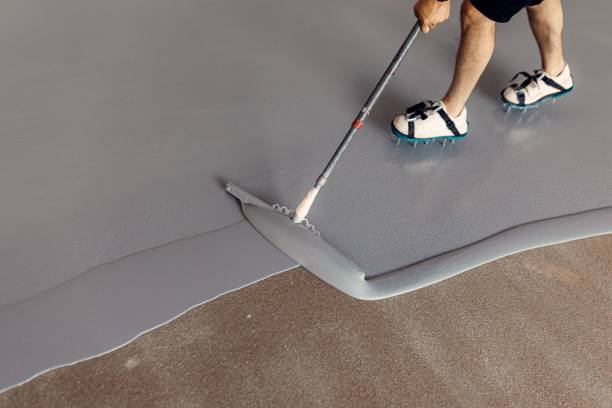
How Epoxy Flooring Is Installed
The package includes an installation guide; installation is critical for its life. This process is quite extensive but ensures a tight bond between the coating and the underlying concrete.
Typical installation includes:
- Clean and prepare the existing floor
2. Repairing cracks or uneven areas
3. Applying a primer layer
4. Applying epoxy coatings on and letting them cure
After the material sets, you’re left with a smooth surface that’s made to withstand daily wear.
The Benefits of Continuity: Why Seamless Floors Are Great for Kitchens
Most traditional flooring types feature seams or grout lines. Grease and moisture tend to accumulate in these spaces over time.
A seamless epoxy flooring removes those gaps, with many advantages:
- Easier cleaning and sanitation
2. Less accumulation of dirt and germs
3. A cleaner, more modern appearance
For busy kitchens, this continuous surface can help make daily maintenance easier.
Everyday Advantages for Home Kitchens
Kitchen floors have a different set of requirements from other rooms in the house. Spills, water splashes, and dropped utensils are part of the story.
Resistance to Spills and Stains
A significant advantage of epoxy kitchen flooring is its non-porous material. Epoxy will not absorb liquids, unlike wood or grout.
That means common kitchen ingredients like:
- Cooking oils
2. Sauces and food spills
3. Coffee or teaCleaning solutions are also less likely to cause permanent stains. Most spills wipe away without leaving marks.
Easy Maintenance Routine
A second practical benefit is very low maintenance demands. Dirt and debris cannot easily settle into the surface, as epoxy floors are hard and sealed.
Basic cleaning usually includes:
- Sweeping or vacuuming regularly
2. Mopping with mild detergent
3. Wiping up spills promptly
This simple routine will keep the floor looking clean without a heavy scrub or special products.
Why Does Epoxy Flooring See Its Popularity in New Jersey Homes?
Flooring materials can perform differently over time depending on the regional climate. The homes themselves can feel the seasonal temperature shifts, as well as the humidity levels throughout the year in New Jersey.
Performance in Changing Conditions
Some materials may expand or contract with changes in humidity levels. Temperature changes can cause tile grout to crack over time, too. Furthermore, epoxy flooring bonds directly to the concrete base, making it stable and moisture-proof. This durability is why epoxy kitchen flooring NJ can be a practical solution for the average homeowner’s kitchen that is exposed to changing environmental conditions.
Design Possibilities Beyond Traditional Floors
Industrial or commercial environments are usually what most people picture when they think of epoxy flooring, but advances in installation techniques have opened the door to design. Epoxy floors can complement a variety of residential kitchens nowadays.
Popular Decorative Finishes
A few different ways epoxy coatings can be modified allow homeowners to make a floor that matches their design style.
Common options include:
- Solidcolorsfor a pure, streamlined look
2. Textured paints and decorative flake coatings
3. Metallic epoxy effects that mimic marble
4. Natural elements inspired designs like stone patterns
And because epoxy is initially a liquid before it cures, installers are able to create patterns and finishes hard to achieve with typical flooring materials.
Brightening the Kitchen Space
In fact, most epoxy floors provide a reflective surface that aids light distribution throughout the room. This reflective quality can also give smaller kitchens a brighter, airier feel. Epoxy floorings, when paired with modern lighting and cabinetings gives the kitchen an overall scenic balance.
Long-Term Durability and Value
When it comes to kitchen flooring, the main question is often how it will perform in the long term. For homeowners, this means a material that stays strong and aesthetically pleasing after years of exposure to the effects of daily life.
Built for Heavy Use
When fully cured, epoxy forms a strong surface that can withstand heavy appliances and high foot-traffic. Installed epoxy floors are highly resistant to scratches and impacts, as well as a wide variety of common household chemicals.
Safety Features for Busy Areas
When liquids are spilled on kitchen floors, it can be slippery. Several epoxy systems permit the addition of slip-resistant additives during installation.
These additives enhance traction without detracting from the even appearance of the floor, helping promote safety in high-traffic environments.
Conclusion
Most kitchen flooring needs to be a balance of durability, sanitation, and visual appeal. A surface that doesn’t stand up to daily spills, foot traffic, and heavy appliances is one you can expect will need frequent repair or replacement.
Epoxy kitchen flooring NJ comes as a cost-effective and durable solution for many homeowners. The nonporous surface resists stains and is easy to clean, plus it offers design flexibility that works for contemporary kitchen spaces. And its durability means it can stand up to the constant activity of a busy kitchen.