There’s a common assumption that window tinting is mostly a cosmetic choice. It makes your car look sleeker, keeps prying eyes out, and adds a degree of cool-factor that’s hard to argue with. But reducing it to aesthetics undersells what the film actually does on a functional level — especially when you’re talking about Ceramic window tint.
The protection ceramic film provides goes well beyond what most people consider when they’re booking an appointment.

UV Protection Is the Feature You Can’t See Working
UV rays are silent and constant. You don’t notice them damaging your skin or your car’s interior in real time — the evidence shows up later, after repeated exposure.
What UV Exposure Does to Car Interiors
Dashboard plastics crack and fade. Leather dries out and splits. Fabric seats lose color. Steering wheels become brittle. This isn’t cosmetic vanity — it’s structural deterioration that affects resale value, comfort, and the overall condition of a vehicle you’ve invested in.
Quality ceramic films block up to 99% of ultraviolet radiation. That means your interior stays in better shape for longer, and you’re also protecting yourself and passengers from UV exposure during daily driving. Dermatologists have long pointed out that left-side sun exposure is disproportionately high among frequent drivers — a problem ceramic tint on the driver’s window directly addresses.
Windshield Options for Drivers Who Want Protection
Many people don’t realize ceramic film can be applied to windshields as well, using a very light VLT that maintains visibility while still providing meaningful heat and UV rejection. It’s a particularly smart choice for anyone who commutes long distances in a sunny climate.
Interior Preservation Connects to Resale Value
If you’re the kind of person who takes care of their car, you already understand that every aspect of preservation is connected.
The Interior-Exterior Connection
A well-maintained interior adds real money to a vehicle’s resale price. But buyers also look at the exterior — paint condition, glass quality, and body panel integrity. This is where protecting your paint matters just as much as protecting your cabin. Chips and scratches that go unaddressed lead to rust and permanent damage. Getting a proper car paint touch up before selling — or better, before damage spreads — keeps the car’s value intact in ways that are visible and immediately assessed by any potential buyer.
Window tinting is part of the same preservation logic. It’s not a luxury. It’s maintenance.
Reducing Glare Improves Safety
Glare Is More Dangerous Than Most People Admit
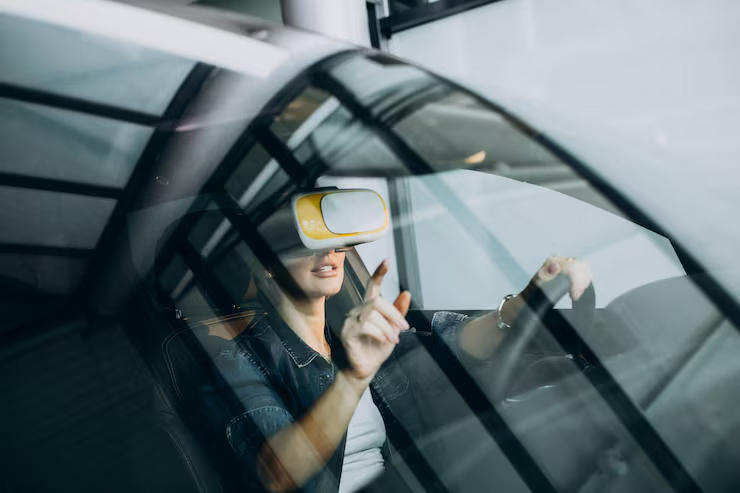
Low-sun glare is a leading factor in daytime traffic accidents. The window tint industry doesn’t market itself on safety as aggressively as it should, but the reduction in glare from a quality ceramic film is genuinely meaningful from a road safety perspective.
Why Ceramic Handles Glare Better Than Alternatives
Ceramic film reduces visible light transmission evenly without the distortion that cheaper films sometimes introduce. You get a cleaner, more consistent visual field — which matters when you’re looking for road markings, pedestrians, or brake lights in bright conditions.
Temperature Management and Fuel Efficiency
Parking a car in direct sun and then immediately driving it is uncomfortable but also inefficient. Air conditioning working overtime to cool a super-heated cabin consumes more fuel and puts additional load on the AC compressor.
The Cumulative Benefit of Heat Rejection
Ceramic window tint significantly reduces the amount of infrared heat that enters the cabin. The car stays cooler when parked, needs less aggressive cooling when you first get in, and maintains a more stable cabin temperature during drives. Over the course of a year, particularly in warmer climates, the efficiency gains are real.
The professionals at Shady Stint understand this overlap between comfort, protection, and long-term savings — helping customers see window tinting for what it actually is: a practical upgrade with multiple compounding benefits.
Conclusion
Ceramic window tint is doing several jobs at once — blocking UV, managing heat, reducing glare, and preserving your interior. The privacy and appearance benefits are real, but they’re almost secondary to the functional protection you’re getting every single day. If you’ve been treating window tinting as a cosmetic decision, it’s worth reframing it as a maintenance decision. Your car — and your health — will be better for it.