
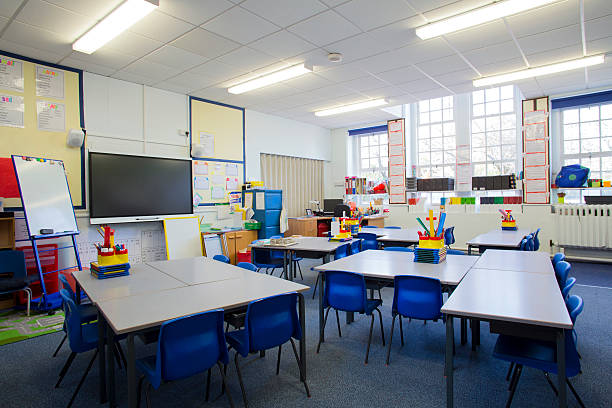
Walk into any outstanding school and you will likely notice something beyond the quality of teaching. The spaces themselves feel purposeful, comfortable, and designed with students in mind. Behind that feeling is a deliberate set of choices about classroom furniture, choices that affect everything from posture and concentration to collaboration and creativity.
What Is the Relationship Between Furniture and Learning Outcomes?
Educational researchers have spent considerable time examining what happens inside classrooms where furniture is poorly matched to the needs of students. The findings are consistent: discomfort, distraction, and disengagement rise when students are unable to sit properly or organise their workspace effectively.
Conversely, when classroom furniture is thoughtfully selected, students demonstrate better focus, higher participation rates, and more positive attitudes toward school. This is not a minor effect. It is a meaningful contributor to the kind of school culture that headteachers and parents aspire to build.
How Does Furniture Design Affect Posture and Health?
Children spend a significant portion of their waking hours in school, and a large part of that time is spent seated. If the furniture they use does not support their bodies correctly, the cumulative physical impact can be significant.
Chairs that are too high or too low force students into awkward positions that strain the neck, back, and hips. Tables that do not align with seated elbow height cause students to hunch or reach, leading to muscle fatigue and tension. Over time, these small physical stresses add up and can contribute to chronic discomfort that affects both health and concentration.
Height-adjustable classroom furniture addresses this issue directly. When students can set their seating to match their individual measurements, their bodies are supported in a neutral position, allowing them to focus on the lesson rather than managing physical discomfort.
Does Furniture Arrangement Influence Teaching Style?
One of the most transformative aspects of modern classroom furniture is its ability to reshape pedagogy. Fixed desks in rows communicate a particular kind of learning: passive, individual, and teacher-directed. While this model has its place, contemporary education places increasing value on dialogue, critical thinking, and collaborative problem-solving.
Lightweight, moveable classroom furniture allows teachers to reconfigure their rooms quickly depending on the activity at hand. A maths lesson might call for individual desks arranged in rows to support quiet concentration. A science discussion could benefit from tables grouped in clusters. A creative writing session might work best in a horseshoe arrangement that encourages contribution from all students.
When the furniture supports this kind of flexibility, teachers are freed to design lessons around learning rather than around the limitations of their physical space.
What Should Schools Prioritise When Selecting Classroom Furniture?
Safety must be the first consideration. All furniture in a school environment should meet relevant British Standards for stability, surface safety, and edge treatment. Furniture that tips, splinters, or has sharp protrusions creates unnecessary risk in an environment already full of active young people.
Ergonomics come next. As discussed, chairs and tables must be appropriately sized for the age group using them. Many suppliers offer furniture in multiple size grades, making it possible to equip a classroom with pieces suited to the full range of students likely to occupy it.
Functionality follows. Storage, writing surfaces, and display capabilities all contribute to how effectively a classroom operates day to day. Furniture that serves multiple purposes often represents better value and reduces clutter.
Finally, longevity and ease of maintenance deserve serious consideration. Classroom furniture takes a great deal of daily wear. Materials that clean easily, resist scratching, and maintain structural integrity over years of use provide far better return on investment than cheaper alternatives that require frequent replacement.
Are There Furniture Solutions Designed for Specific Learning Needs?
Yes, and this is an area of growing importance. Students with sensory processing differences, attention difficulties, or physical disabilities may require specialised furniture that standard classroom pieces do not provide. Wobble stools, standing desks, slanted writing surfaces, and sensory-friendly seating options are all available from specialist suppliers.
Inclusive classroom design ensures that every student has the physical support they need to access learning equally. When schools invest in a range of furniture options, they send a clear message that every child belongs in that space and that their individual needs have been considered.
How Can Teachers Advocate for Better Classroom Furniture?
Teachers are often the first to notice when furniture is inadequate, but they do not always feel empowered to advocate for change. Building a case for investment in better classroom furniture is easier when the argument is grounded in student outcomes rather than comfort alone.
Presenting evidence from published research, sharing observations about student behaviour and posture, and connecting furniture quality to school priorities like attendance and attainment can all strengthen the case. Headteachers and governors respond to arguments that link investment to measurable results.
Conclusion
Classroom furniture is not simply a logistical necessity. It is a meaningful part of the educational environment that shapes how students experience school every day. Schools that recognise this invest wisely, choosing furniture that supports health, enables flexible teaching, and creates spaces where every student can succeed.