The cleaning industry is moving fast toward pre measured, more sustainable dosing, and a lot of brands are now teaming up with reliable water soluble film suppliers to build out their product lines. Shoppers want convenience and greener packaging, so single dose pods have gone from a nice extra to a household standard. If you own a brand, run a contract manufacturing line, or formulate chemicals, it pays to understand how these polyvinyl alcohol materials work with concentrated detergents, especially if you want a bigger share of a crowded market.
Understanding PVA Technology in Modern Detergent Dosing
Polyvinyl alcohol (PVA) is one of the more practical breakthroughs in sustainable chemical packaging. It dissolves fully in water, and in a normal wash cycle it doesn’t leave behind microplastic residue. Manufacturers control how fast it dissolves by adjusting the hydrolysis level and molecular weight, so a film can be tuned for cold, warm or hot water.
Once the pod hits the wash, the outer film dissolves quickly and the cleaning agents are released just as the drum starts to move. Nothing gets wasted, and the surfactants do their job where it counts. Compared with a heavy liquid jug or a scoop of powder, a unit dose is simply a tidier way to clean.
For manufacturers, choosing a film grade is a balancing act. You need enough thickness, tensile strength and moisture resistance to survive shipping and storage, yet the film still has to dissolve fast in a cold wash.
Key Advantages of Switching to Pre Measured Dosing Systems
Anyone who has poured too much liquid detergent knows the result: extra suds, residue building up in the drum, and product down the drain. Pre measured pods remove the guesswork. Every load gets the same ratio of ingredients, so stain removal stays consistent from one wash to the next.
Pods are also much lighter and more compact than bottles of water diluted detergent. That means lower shipping weight, less storage space and smaller logistics bills. Across a global supply chain, the drop in packaging volume also trims the carbon footprint, which fits where most sustainability targets are heading.
Sourcing Options from Top Water Soluble Film Suppliers
Working with experienced water soluble film suppliers gives detergent brands access to stable, leak resistant PVA made for liquid, powder or dual phase pod designs. Good film keeps the formula stable and holds up during high speed packaging and in humid warehouses, so you don’t end up with burst pods.
The right producer will also customize the film. Common options include puncture resistant barriers, low temperature solubility grades and bittering agents for child safety. These features protect the end user and help extend shelf life through the retail chain.
| PVA Film Feature | Performance Metric | Primary Packaging Advantage |
|---|---|---|
| Tensile Strength | 25 to 45 MPa | Prevents ruptures during automated high speed filling |
| Dissolution Speed | Under 30 seconds at 15°C | Ensures complete breakdown in cold water wash cycles |
| Water Content Tolerance | Below 10% water in the formula | Keeps the liquid formula stable without degrading the film |
| Barrier Integrity | High oxygen and gas barrier | Preserves fragrance and protects active enzymes |
Formulating Concentrated Liquids for Single Dose Pods
Water is the enemy of a PVA pod. Too much free water in the formula and the film starts to break down before the pod ever reaches a washing machine. To avoid that, formulators swap most of the water for solvents such as propylene glycol, glycerin or high molecular weight polyethylene glycol, which also help keep the active ingredients stable.
Optimizing Surfactant Systems for Compact Volumes
A pod holds very little liquid, so the surfactant load has to be high to deliver real cleaning power. Formulators usually blend nonionic surfactants, linear alkylbenzene sulfonates and fatty alcohol ethoxylates. Together they lift oily stains, keep soil suspended and leave clothes bright, without producing too much foam in front loading machines.
Protecting Active Enzymes and Functional Additives
Protease, amylase and lipase go after protein, starch and fat stains, but enzymes are delicate and can lose activity in storage. Stabilizers such as borate salts or formate compounds help them stay active until the wash begins, even after months on a shelf.
Advanced Manufacturing Processes for Pod Production
Most unit dose pods are made on high speed thermoforming or rotary drum machines. In one continuous sequence, the machine heats the PVA film, vacuum forms the cavities, injects a precise dose of liquid and heat seals a cover film on top.
Maintaining Strict Environmental Controls on Production Floors
PVA pulls in moisture from the air quickly, so the production room needs tight climate control. Relative humidity is typically kept between 30% and 40%, with a steady temperature. If humidity creeps up, the film gets sticky, seams turn weak and defect rates climb during fast runs.
Quality Assurance Testing for Structural Integrity
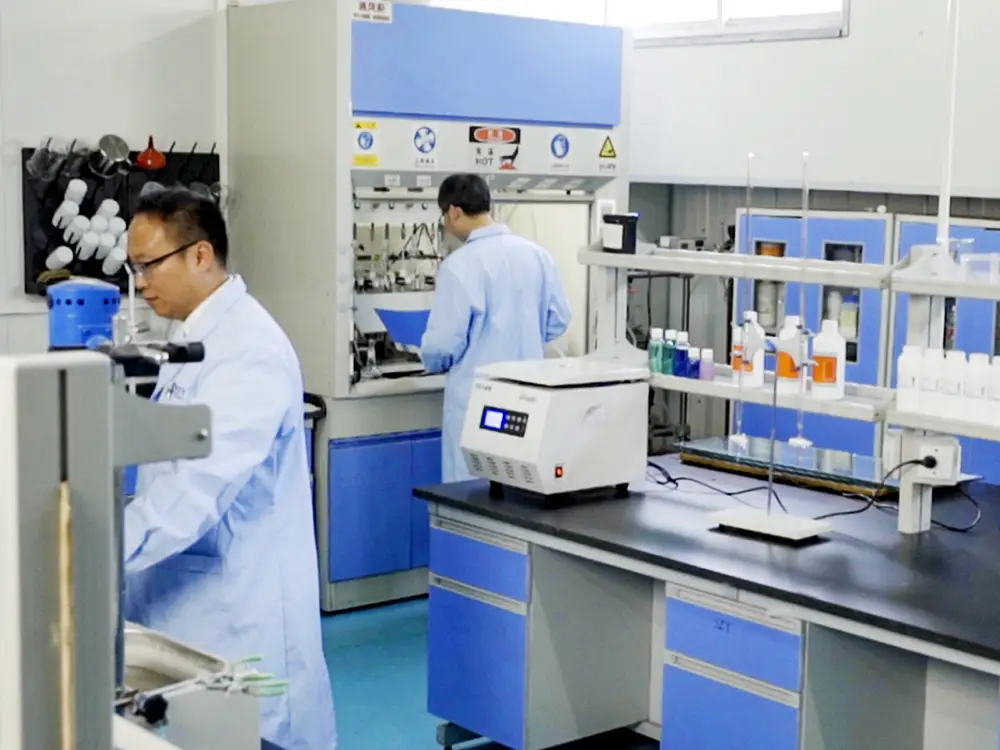
Every batch goes through checks before it ships. Automated visual inspection, burst pressure tests and dissolution rate tests are standard. Drop tests and vibration tests show whether pods can handle transport, and thermal stress chambers reveal whether the formula and the outer shell stay compatible over the long term.
Environmental Impact and End of Life Biodegradability
PVA can biodegrade in wastewater treatment plants and in the environment when the right microbes are present. Certain bacteria break down the carbon backbone of dissolved PVA into water, carbon dioxide and biomass, leaving no lasting synthetic residue.
Moving from rigid plastic bottles to dissolvable packaging also cuts the plastic that ends up in landfills. Swap a bulky jug for a compact pod and a brand reduces its plastic use across the whole product lifecycle, while giving customers an easy way to make a greener choice.
Navigating Regulatory Standards and Child Safety Requirements
Laundry pods are a real hazard for small children, so many markets expect or require several layers of protection. In practice, that usually means the following:
- Bittering additives: A bitter compound such as denatonium benzoate on the film surface discourages children from biting a pod.
- Opaque outer packaging: A non transparent container keeps bright, colorful pods out of sight.
- Child resistant latches: Squeeze and turn lids or dual latch zip closures make it hard for infants to open the pack.
- Standardized burst resistance: Pods are engineered to handle higher compression so they don’t rupture easily under pressure.
Following these rules protects families and also protects your brand from liability. Brands that build compliance in early find it much easier to sell in international markets with strict consumer safety laws.
Future Innovations in Water Soluble Dosing Technologies
The category keeps moving, thanks to better film engineering, new sustainable materials and multi chamber pod designs. Multi chamber pods can keep incompatible ingredients, like liquid enzymes and oxygen bleach, in separate compartments and only mix them when the pod dissolves, which gets the most out of each ingredient.
Research into bio based polymers is also promising. Next generation films are expected to dissolve even faster in cold water, resist moisture better and have a smaller environmental footprint. Brands that adopt these advances early will have a clear edge in the fast changing home care market.
Conclusion
Water soluble film packaging has changed laundry care for the better. It gives users convenience, accurate dosing and real environmental benefits. Manufacturers who get the formulation balance right, keep production conditions tight and build in solid safety features can deliver pods that perform and meet what shoppers now expect. Pair that with an experienced film partner and an eye on new polymer technology, and your brand is well placed for long term growth in sustainable packaging.
Frequently Asked Questions
What makes PVA film dissolve completely in wash water?
PVA is a water soluble synthetic polymer designed to break down quickly in water. Water molecules disrupt the hydrogen bonds that hold the polymer chains together, so the film dissolves fully and leaves no solid residue on clothes or inside the washer drum.
How do manufacturers prevent liquid detergent from dissolving the pod film too early?
They keep free water in the formula low, usually under 8% to 10%. Solvents like propylene glycol and glycerin take the place of water and keep the concentrated mixture stable, so it doesn’t attack the PVA film before the pod is used.
Are water soluble packaging films safe for the environment?
Properly formulated PVA films are biodegradable and non toxic. After dissolving in wastewater, adapted microorganisms break the polymer down into water, carbon dioxide and biomass, so it doesn’t build up over time or form microplastic residue.